
11/22/2026
Several First-Hand Aid groups have traveled this year—and we can report that there is an
unprecedented humanitarian and economic collapse across Cuba. A year ago, we said the same
thing; we wonder whether it really can be worse?
Yes.
With wide-scale power grid collapses, acute shortages of basic medicine and food, record-high
migration rates, as well as governmental shortages and intensified US sanctions, Cuba faces its
most severe crisis since the fall of the Soviet Union, during the “Special Period,” in the 1990’s.
Now, daily life for people across the island has been severely impacted:
In a year, the exchange rate has gone from 250 pesos to one US Dollar to 1,000 pesos to
$1. When a doctor in Cuba earns 16,000 pesos a month ($16.00) and gasoline, for
instance, is $26 a gallon, there is, literally, nothing that doctor can buy, unless they
receive some assistance from someone else.
● Over this past year, trash heaps have grown on many street corners; this month we saw
people combing through the trash, looking for food.
● A year ago, it was dark at night with no power; now it is also increasingly dangerous to
be out on the street at night because of the darkness.
● Most gas stations remain closed; the lines to get gas, now imported by private
companies to newly authorized Cuban private companies, are still 3 hours long.
○ Supply disruptions from traditional partners have left the island unable to meet
baseline energy generation requirements, paralyzing transport, agriculture, and
commerce.
● Most Cuban households receive two hours of power a day. Many are cooking with
charcoal.
○ Without power, municipal pumps do not provide water nor pressurized cooking
gas to homes and, of course, air conditioners do not work when even in winter
temperatures can be warm.
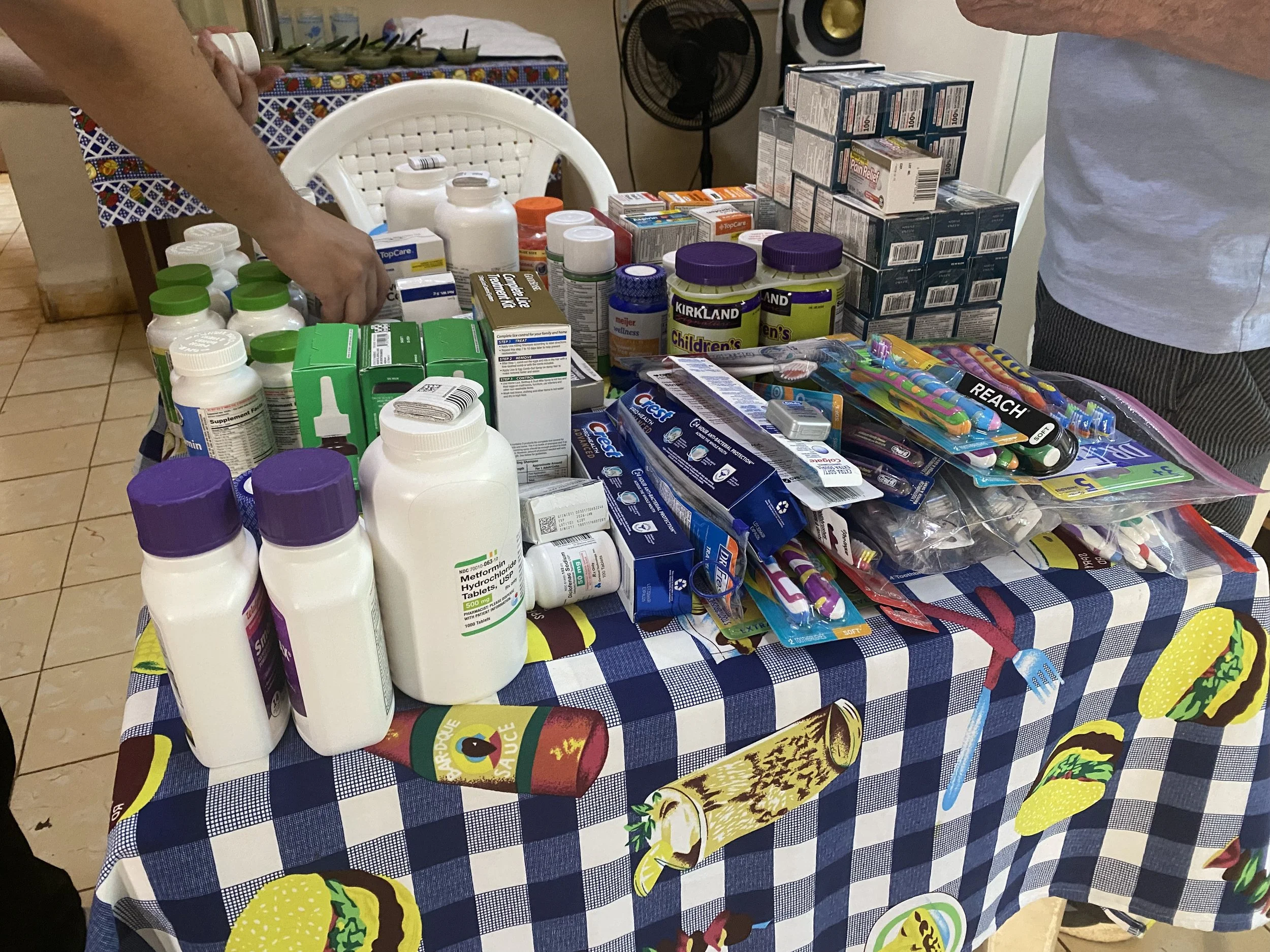
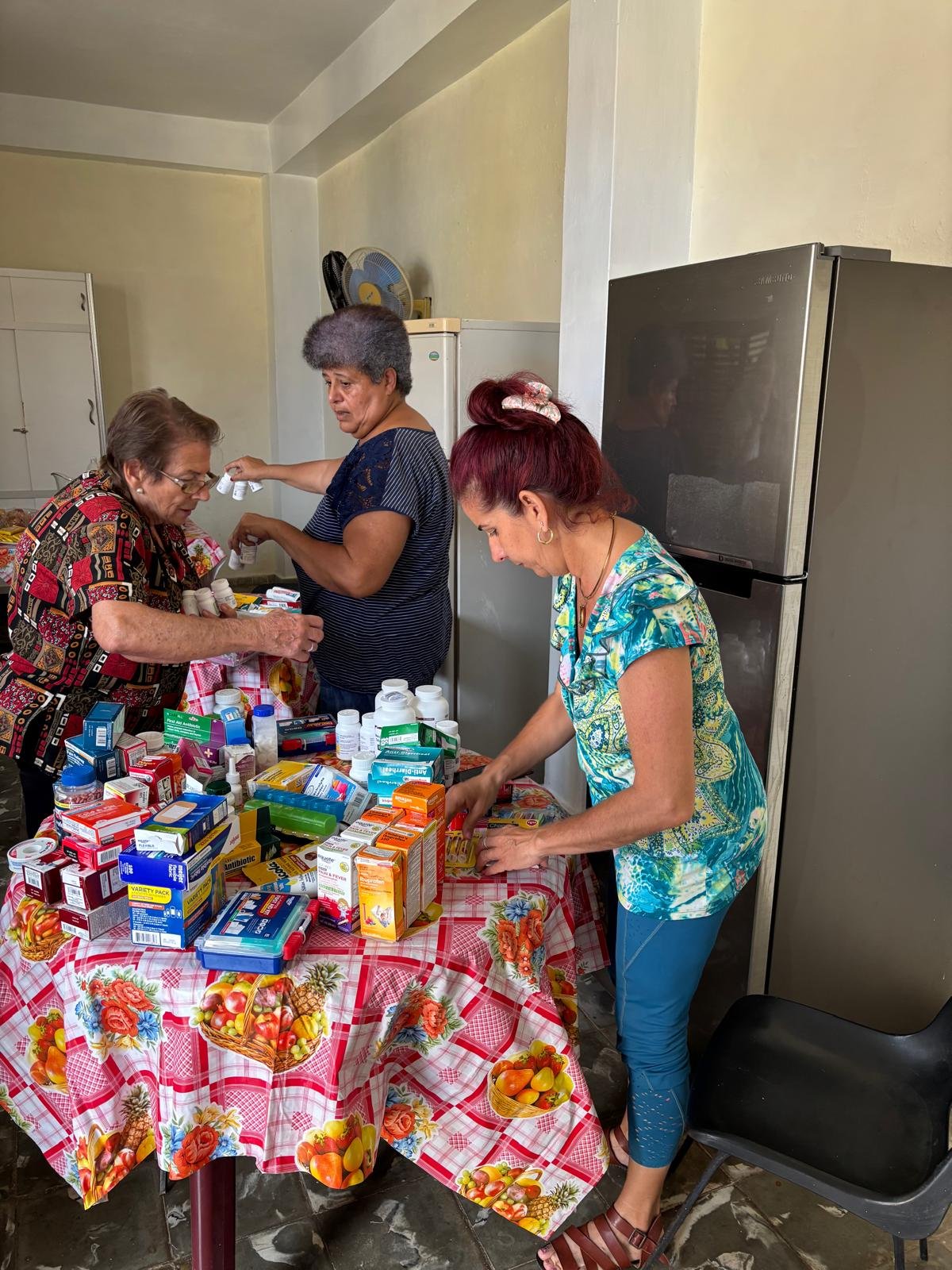
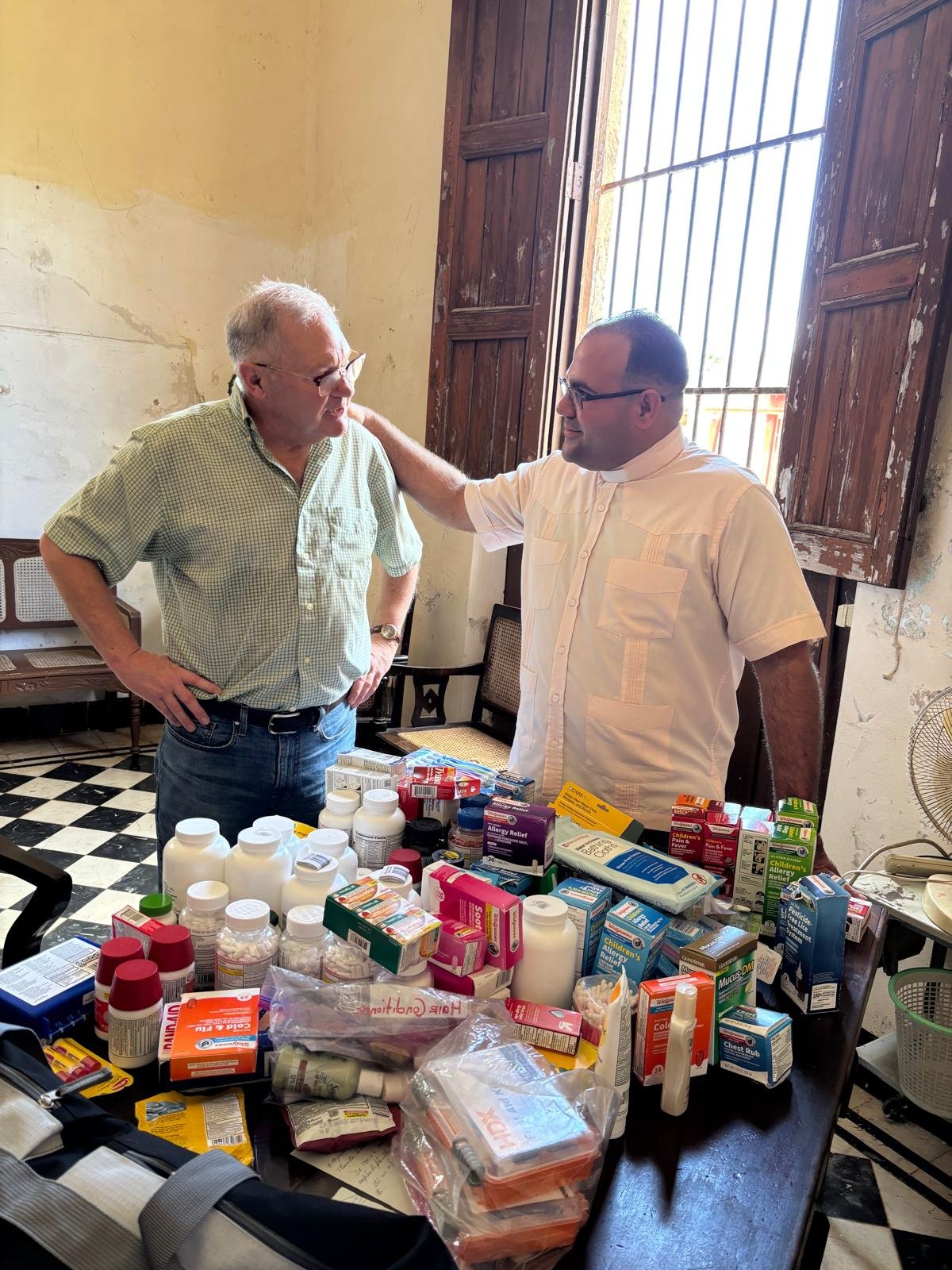
● Hospitals face severe deficits of basic supplies, ranging from essential antibiotics and
painkillers to basic surgical tools.
● The United States continues to place pressure on the island by enforcing embargos and
blockades of supplies to the island.
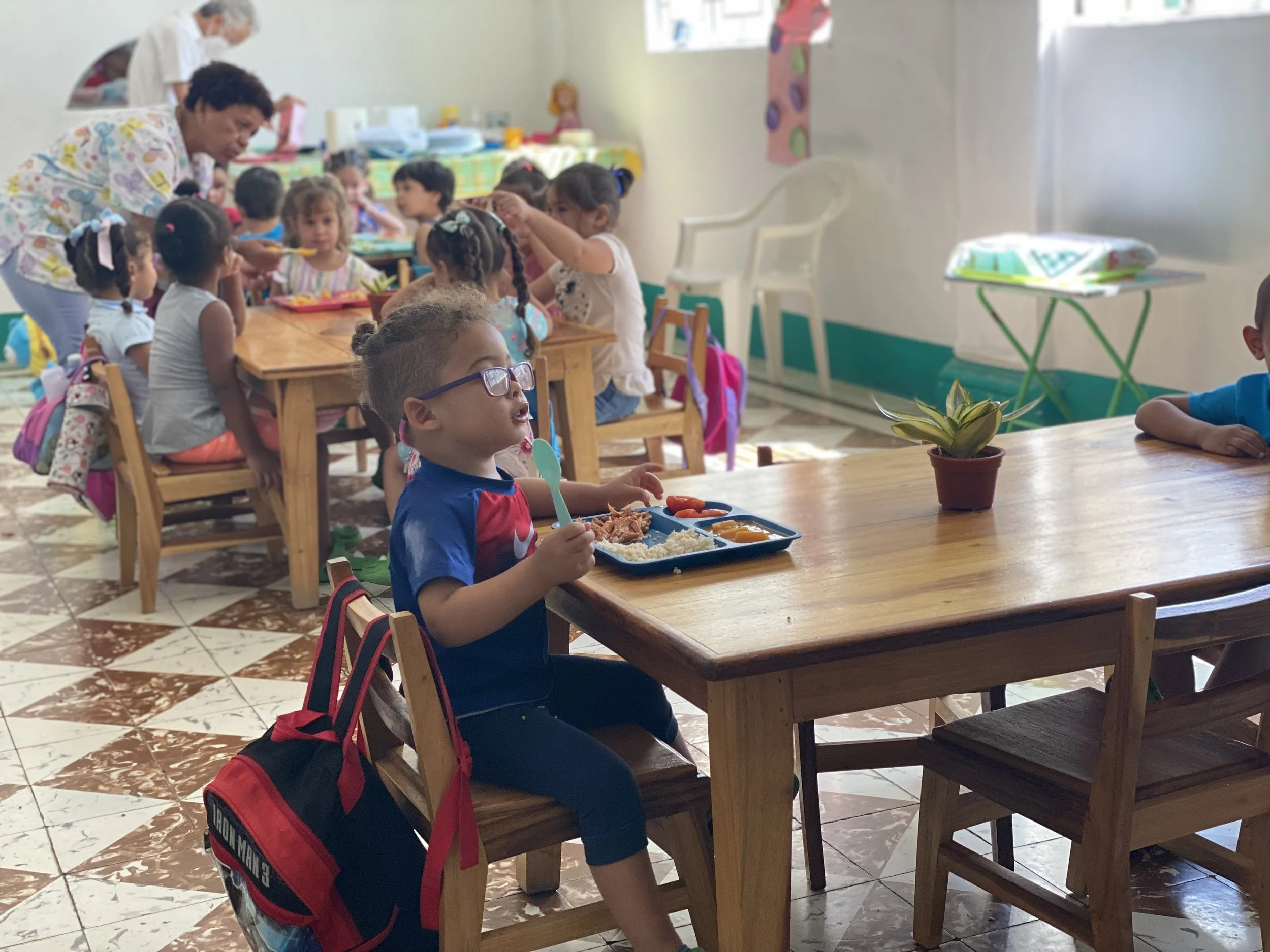
First-Hand Aid Volunteers bring medicine and funds for medicine dispensaries housed in
congregations that function as community centers. Our food programs operate to serve
children, frail adults, and other at-risk families. And, in so doing, they bring hope, build
understanding and deepen relationships.
We invite you to join the effort—to be a travel volunteer, to provide funds or medicine, to
provide hope for those in tremendous need.


